
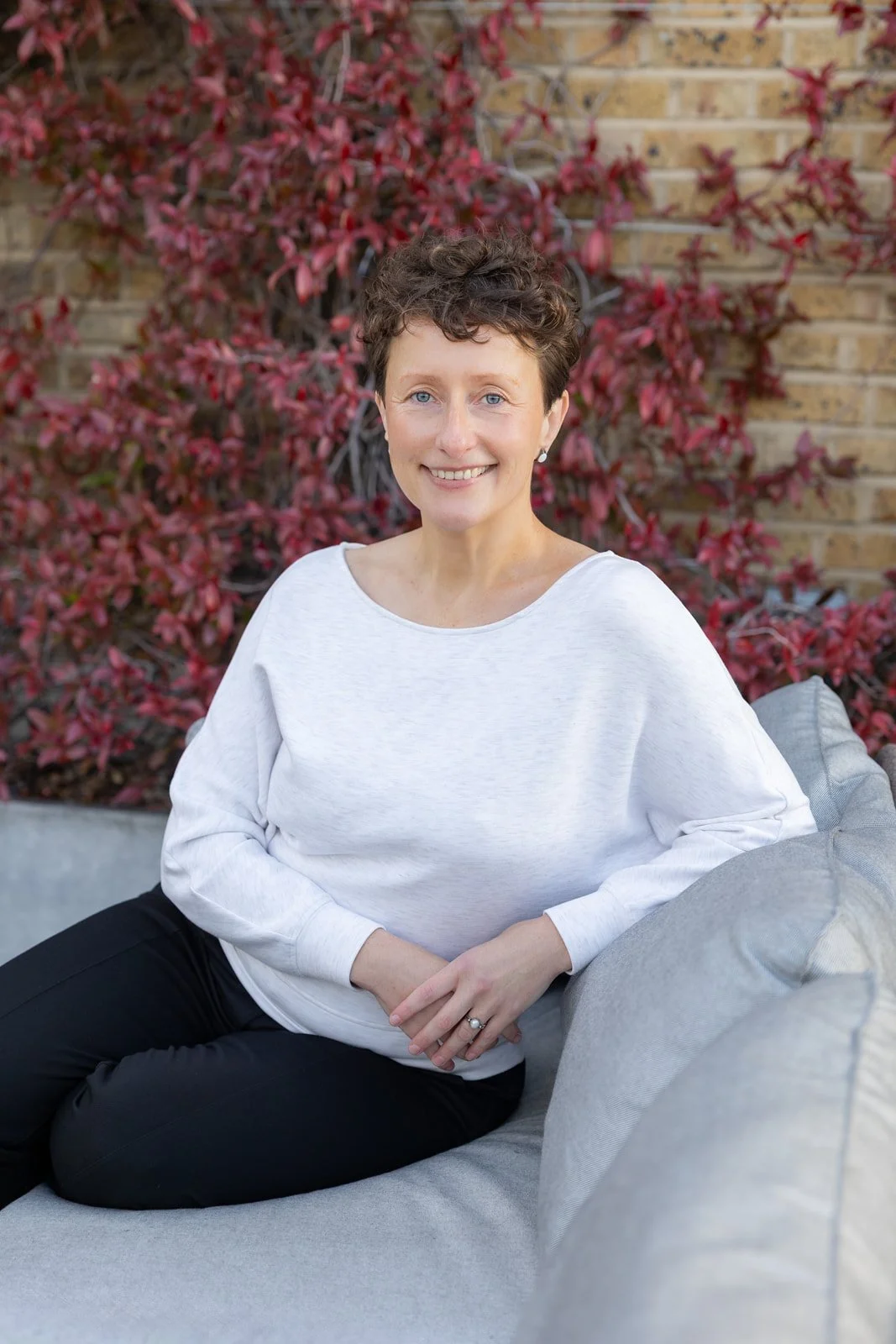
About Auste Mickunaite
If you're dealing with pain or stiffness that keeps coming back, or you've been told to "just rest" without ever understanding why the problem returns, you're probably looking for someone who can explain what's actually going on, not just treat the symptom in front of them. That is the work I do.
I'm Auste Mickunaite, a movement-based osteopath working with active adults, runners, and desk workers across Crystal Palace, Upper Norwood, Sydenham, Dulwich, West Norwood and Gipsy Hill. I combine hands-on osteopathy, soft tissue work, myofascial release, and joint mobilisation with movement re-education, because how you move day to day matters just as much as what happens on the treatment table. My role isn't to fix you, it's to help you understand your own body well enough that you need me less over time.
Is this you?
You spend your days at a desk and notice your neck and shoulders taking the strain, and you aren't ready to sacrifice your productivity or active lifestyle.
You've dealt with stiffness or pain that keeps coming back, and you're tired of treating symptoms without understanding why the problem returns.
You value movement and exercise but haven't found a practitioner who treats it as part of your care rather than an afterthought.
You want to keep moving, whether that's running or daily life, and you're looking for someone who can help you understand your body well enough to stay independent.
Why I work this way
What frustrated me during my osteopathy training was how little regard was given to movement and exercise. On my course, it often felt like an afterthought, added on at the end rather than built into the assessment and individualised to the person in front of you.
I came from a background of over ten years working in movement, with training across multiple disciplines including MovNat, the Gray Institute's approach to functional movement, gait and biomechanics, dance, and Pilates. I qualified from the London School of Osteopathy in 2021 and brought that movement background into my practice because I felt patients deserved more than an afterthought.
I believe that,
If we moved more, as individuals and as a population, we'd need far fewer interventions, manual therapy included. So a lot of what I do is about handing responsibility back to you. Not creating a dependency on appointments, but helping you understand how movement can ease pain and reduce strain in the first place.
But…
I'm careful not to oversimplify. Movement and manual therapy are not a fix for everything, and pain is rarely just a mechanical issue. Stress, sleep, general health, and life balance all play a part. Constantly reaching for a quick intervention can sometimes mean missing the bigger levers that actually move things forward.
What working together looks like

I start by observing how your body moves as a whole, rather than relying on isolated tests. A painful shoulder or a stiff neck rarely exists in isolation. The way the rest of your body moves, or doesn't, usually has a direct knock-on effect on the area causing you trouble.
Looking at the whole picture
Sometimes the first step is a conversation about how the issue has been affecting your movement or activities. I help you reframe progress in simple, small steps. I use hands-on treatment to calm the area down and work on surrounding areas to give more space for the symptomatic area to recover.
Calming things down
We continue with simple movements that help to reassure your nervous system it is safe to move. We build a specific, actionable plan to help you move more effectively day-to-day, as this is just as important as what happens on the treatment table.
Building movement back in
Once your symptoms are more manageable and you've started to move more easily, we work on a Roadmap for Independence, giving you the tools to manage your own recovery and reduce your reliance on clinical intervention over time. That independence rarely comes from movement alone. Alongside the physical work we do together, I also look at the broader landscape of your life, including high-intensity work, home circumstances, activity levels, and nutrition. Some of these factors fall outside my direct scope of practice, but my goal is to help you notice how they show up as physical tension, because once you can see the connection, you can start making small changes that compound over time. Real independence isn't just today's pain settling, it's understanding your body well enough to keep it moving well for years to come.
For some patients, that ongoing independence is supported by my Strong Foundations Class, a small-group session focused on building the movement habits that keep you well between visits.
A roadmap for independence
Ready to Book?
Book your initial assessment and leave with a clear picture of what's driving your pain, and what to do about it
Not sure what to expect? Read about your first appointment.