
Movement-Based Osteopathy for When Pain Keeps Coming Back
Crystal Palace Osteopath for Active Adults
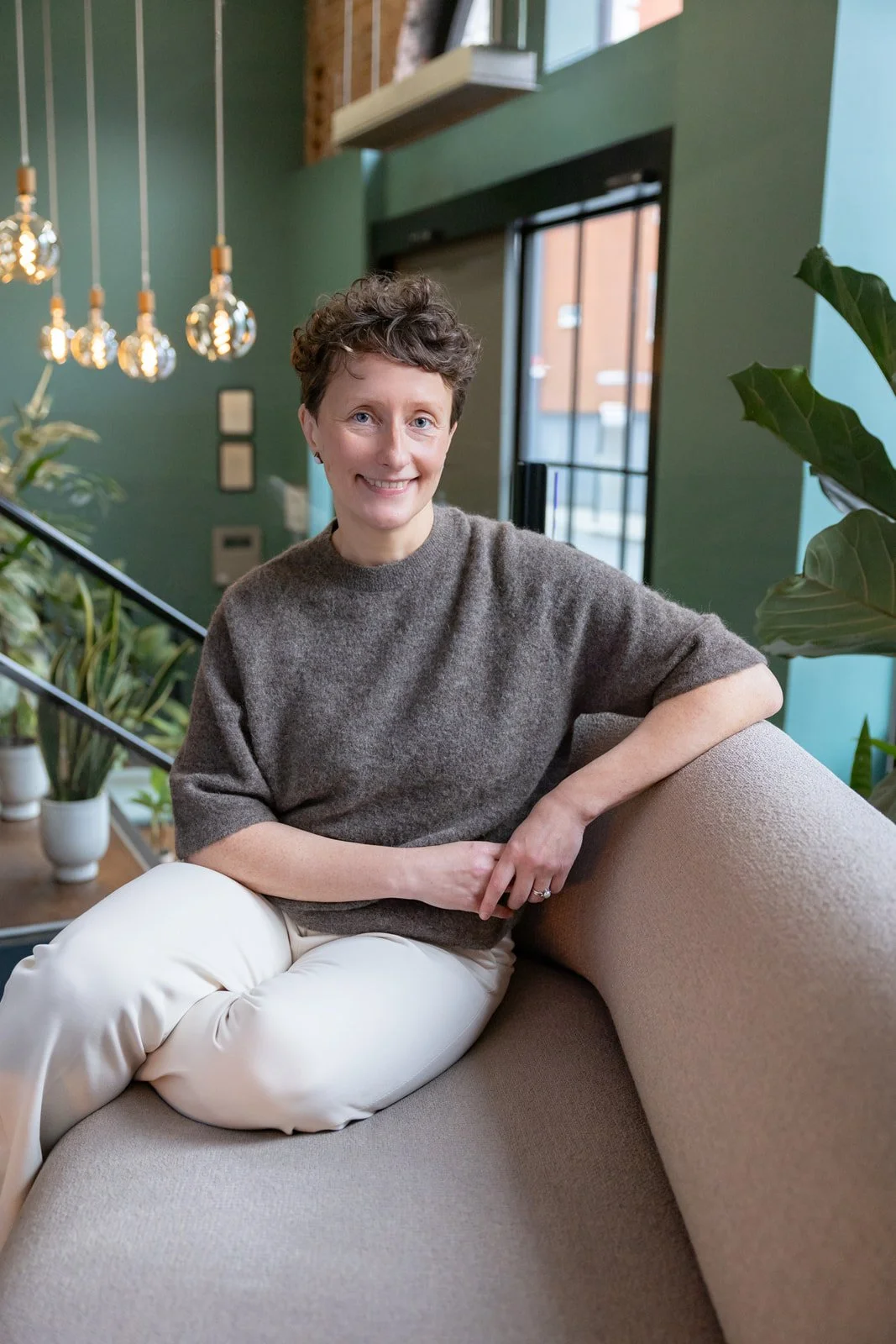
I'm Auste Mickunaite, a GOsC-registered osteopath in Crystal Palace and the founder of Moving Fox Osteopathy, based at 1 Paxton Mews, SE19. You notice when your body stops moving freely. Whether it's persistent back pain disrupting your runs, desk-related neck tension that won't shift, or stiffness that's limiting what you want to do, I help you understand why it keeps happening and support your body's natural recovery through hands-on osteopathy and movement re-education in Crystal Palace, South London.
What is movement-based osteopathy?
Movement-based osteopathy combines hands-on osteopathic treatment with movement re-education. It looks at movement as one part of a wider picture, alongside hands-on treatment, to support your body's own recovery under professional guidance. Read more about movement-based osteopathy.
Services
Movement-based osteopathy combining hands-on treatment with detailed movement assessment and practical movement re-education. It looks at your whole picture, not just where it hurts, to support lasting change
Osteopathy & Movement Re-education
Not sure what happens in a session? Learn what to expect at your first appointment.
What my clients say
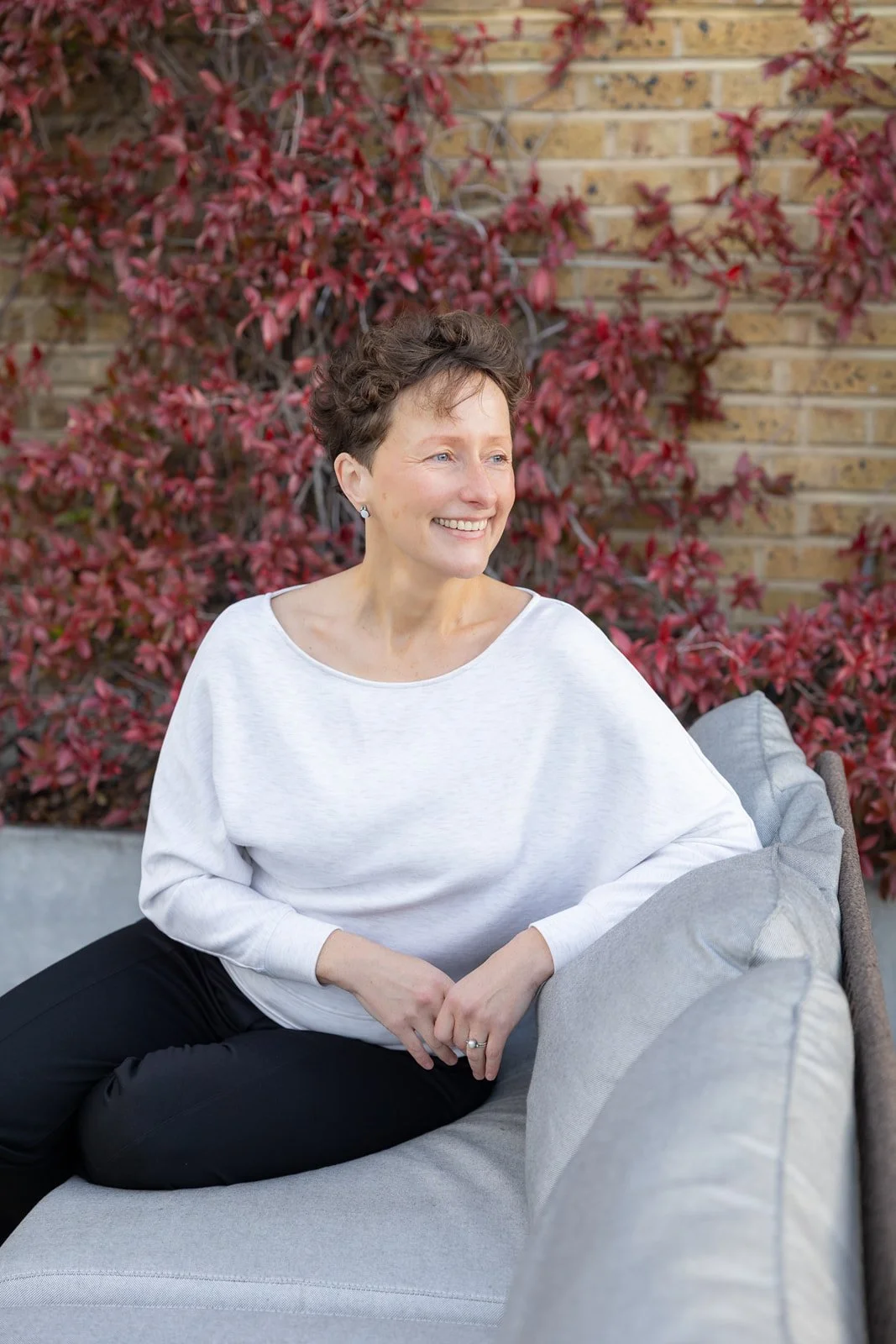
I work with people who feel frustrated because pain keeps returning despite trying treatment before. I start by listening to how the problem is affecting your life, not just where it hurts. My aim is to give you a clear explanation of what may be contributing, involve you in decisions, and help you feel more confident managing your body between appointments.
About Auste Mickunaite
Common Conditions I Help With
-
If your lower back pain keeps returning despite trying exercises and treatment, we'll work together to understand why. Through movement assessment and hands-on work, I help you identify what movement patterns your nervous system perceives as unsafe or uncontrolled. By improving coordination and motor control, your body learns these movements are safe, reducing the protective tension that often shows up as pain. Learn more about my approach to treating lower back pain →
-
Tension headaches, restricted neck movement, or shoulder stiffness caused by prolonged sitting and poor desk ergonomics. Through movement assessment and hands-on treatment, I address the breathing and postural patterns that create persistent tension. We work on building more efficient movement habits so your body doesn't need to guard and protect all day long. Learn more about my approach to treating shoulder and neck pain →
-
Shooting pain down your leg that started suddenly or has been coming and going for months. Learn why simple movements trigger intense pain and how to rebuild your body's capacity through movement. Learn more about Sciatica Recovery in Crystal Palace.
-
Knee pain, foot and ankle pain, hip problems, or recurring strains that stop you training consistently and affect your running performance. Running injuries that keep returning usually involve a combination of factors: restrictions in mobility (like stiff ankles or hips), strength deficits that create instability, and compensatory movement patterns that overload vulnerable tissues. Through movement assessment, hands-on treatment, and progressive strengthening, I help you build the physical capacity and control your body needs to run without breaking down.
-
Pain affecting your ability to exercise, climb stairs, or move comfortably, whether from overuse, arthritis, or poor movement patterns. I focus on improving how your joints move and building the capability your body needs to trust these movements. When your body feels capable, it doesn't need to brace and restrict.
-
Addressing the underlying movement issues that cause pain from sitting, repetitive work, or compensation patterns your body has developed. I help you understand what your body needs to move better and retrain movement patterns that have become inefficient. Your body is adaptable, it just needs clear information about better options. Learn more about my approach to treating desk work pain →
-
Elbow pain often starts elsewhere, in how your shoulder and wrist are working, or compensating, during repetitive movements like typing, lifting, or racket sports. Treatment combines hands-on osteopathy with movement assessment to address what's actually driving the strain, not just the painful spot. Read more about tennis elbow →
Location
How to Find Me in Crystal Palace
1 Paxton Mews
Crystal Palace
London SE19 3RW
Clients visit from SE19, SE20, and SE21 - including Upper Norwood, Sydenham, Dulwich, Penge, and Forest Hill. The practice is a 15-minute walk from Crystal Palace station or 12 minutes from Gipsy Hill, with free parking at the nearby Sainsbury's, and paid street parking available on nearby roads.
Directions
Walk through the passage at the side of the Blackbird Bakery, opposite Sainsbury's. Turn left as you enter the courtyard - it's the first door on your left.
FAQs
Why does my pain keep coming back?
Symptoms can range from a small niggle to constant tightness, to sharp pain travelling down an arm or leg, and how you got there is different for everyone. Recurring pain is rarely down to one thing. Some factors are expected, like how much you move day to day or a recent injury. Others are less obvious, busy schedules, poor sleep, or even how worried you feel about the pain itself, which can make your body more protective and the pain feel worse. That's why your first session starts with a conversation about you, not just the painful area, building a fuller picture than a movement assessment alone could give.
Why see an osteopath?
Osteopaths are trained specifically in musculoskeletal medicine and are a recognised first point of contact, you don't need a GP referral. This makes them well placed for joint pain (neck, back, shoulder, hip, knee, elbow) and muscle strains from sport, gardening, or everyday activity. Osteopaths are also trained to screen for anything that needs different medical attention and will tell you if that's the case. If you're worried, have severe symptoms, or think you might need prescription painkillers, scans, or injections, your GP is the right first call.
How often should you see an osteopath?
This depends less on frequency and more on the changes you make between sessions, much like how weight loss happens in the kitchen, not the gym. Some people make a few meaningful changes and don't need to come back often. Others choose regular sessions because they find hands-on treatment helpful or relaxing, the same way people happily get a massage for years simply to manage stress or tension, without expecting it to "fix" anything permanently. There's nothing wrong with that as a choice. For more chronic conditions, osteopathy can be one part of a wider toolkit rather than the only one. My role is to help you navigate that, especially when you're short on time and don't want to wade through conflicting advice on your own.
Ready to Book?
Book your first appointment and leave with a clearer understanding of what may be contributing to your pain and what you can do next.
Not sure what to expect? Read about your first appointment.